

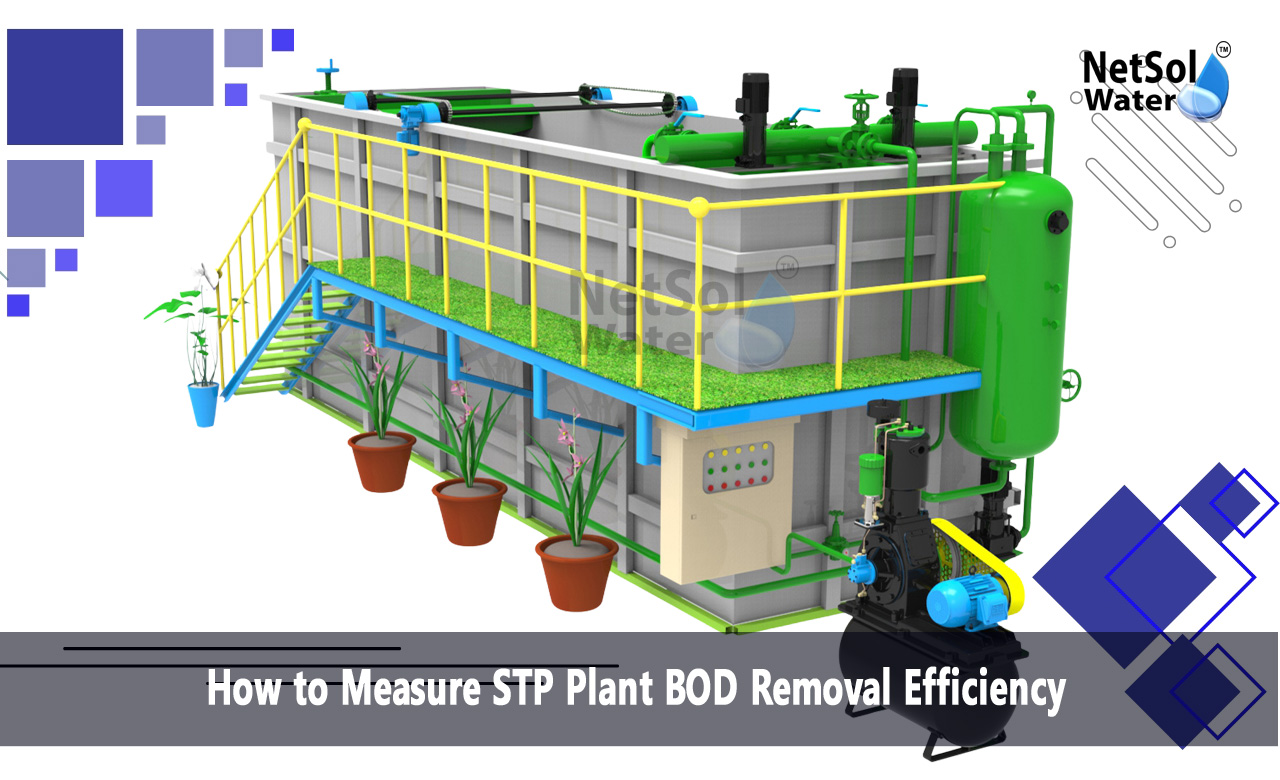
How to Measure STP Plant BOD Removal Efficiency?
Clean water serves as a fundamental necessity for life on Earth. Sewage treatment plants maintain water quality by removing harmful substances from wastewater before releasing it back into the environment. We measure Biochemical Oxygen Demand (BOD) as one of the most important parameters in sewage treatment. This measurement indicates how effectively a treatment plant removes organic pollutants from wastewater. Plant operators use BOD removal efficiency understanding to optimize their processes. Environmental regulations require strict compliance with BOD standards.
We will help you understand the essential aspects of measuring BOD removal efficiency in sewage treatment plants. You will learn about sampling methods. calculation techniques. and performance-influencing factors. This knowledge will enable you to maintain effective wastewater treatment operations whether you manage a treatment facility or work in environmental monitoring.
What is BOD and Its Significance?
BOD serves as the foundation of effective sewage treatment. This measurement shows how much oxygen microorganisms consume to break down organic matter in water. Let us explore the key aspects of BOD and its importance for treatment efficiency.
What is BOD?
Bacteria create oxygen demand as they decompose organic materials in water which we measure as BOD. You can think of BOD as a measurement tool for organic pollution in wastewater. Clean water shows lower BOD levels while polluted water displays higher values.
Why does BOD matter?
Aquatic ecosystems need treatment plants to meet specific BOD removal targets. Discharged water with high BOD depletes oxygen levels in receiving water bodies. Fish and other aquatic life suffer when oxygen levels drop. Operators maintain proper treatment standards through regular BOD monitoring.
Types of BOD Tests
Standard 5-day BOD Test: Operators measure oxygen consumption over five days at 20°C. This test has become the industry standard for wastewater analysis.
Quick BOD Methods: Operators now use modern technologies that offer faster results through automated systems. These methods enable quick process adjustments.
Measuring BOD Removal Efficiency
Plant operators need proper sampling and calculation methods to measure BOD removal efficiency accurately. Let us examine the steps and considerations for obtaining reliable results.
1: Sampling Procedures
Collection Points: Operators must collect samples from both influent and effluent points. These samples show the difference between incoming and treated water.
Timing Matters: Sample collection needs consistent timing. Daily flow variations affect sample quality.
Sample Handling: Transport requires cold sample storage. Timely processing ensures accurate results.
2: Calculation Methods
Basic Efficiency Formula: Operators determine removal percentage by comparing influent and effluent BOD values.
Flow-weighted Calculations: Treatment plants must account for varying flow rates when determining overall efficiency.
3: Data Analysis
Trend Monitoring: Efficiency changes over time reveal operational patterns and potential issues.
Performance Benchmarking: Design specifications and regulatory requirements guide result comparisons.
Also Read: Sewage Treatment Plant Manufacturer
Factors Affecting BOD Removal Performance
Treatment plant’s BOD removal depends on multiple factors. Process optimization requires understanding these factors.
1: Temperature Effects
Bacterial Activity: Bacteria work faster in warmer temperatures. Cold weather makes treatment processes slower.
Seasonal Adjustments: Treatment parameters need changes based on temperature variations.
2: Loading Rates
Hydraulic Load: Wastewater flow volume through the system determines treatment time.
Organic Load: Treatment periods extend when organic content increases.
3: Operational Parameters
Dissolved Oxygen Levels: Bacterial activity needs proper oxygen maintenance.
Sludge Age: Operators must control treatment microorganism populations.
Equipment Maintenance: Peak performance requires well-maintained systems.
Conclusion:
You can improve the efficiency of your sewage treatment plant's BOD removal with expert help. Contact our team today for a detailed facility assessment. We will guide you toward better BOD removal results through targeted improvements. Join us in protecting water quality for future generations.
To explore customised commercial RO plants, Industrial RO plants, ETP or STP solutions for your needs in your areas and nearby regions, Contact Netsol Water at:
Phone: +91-965-060-8473, Email: enquiry@netsolwater.com