

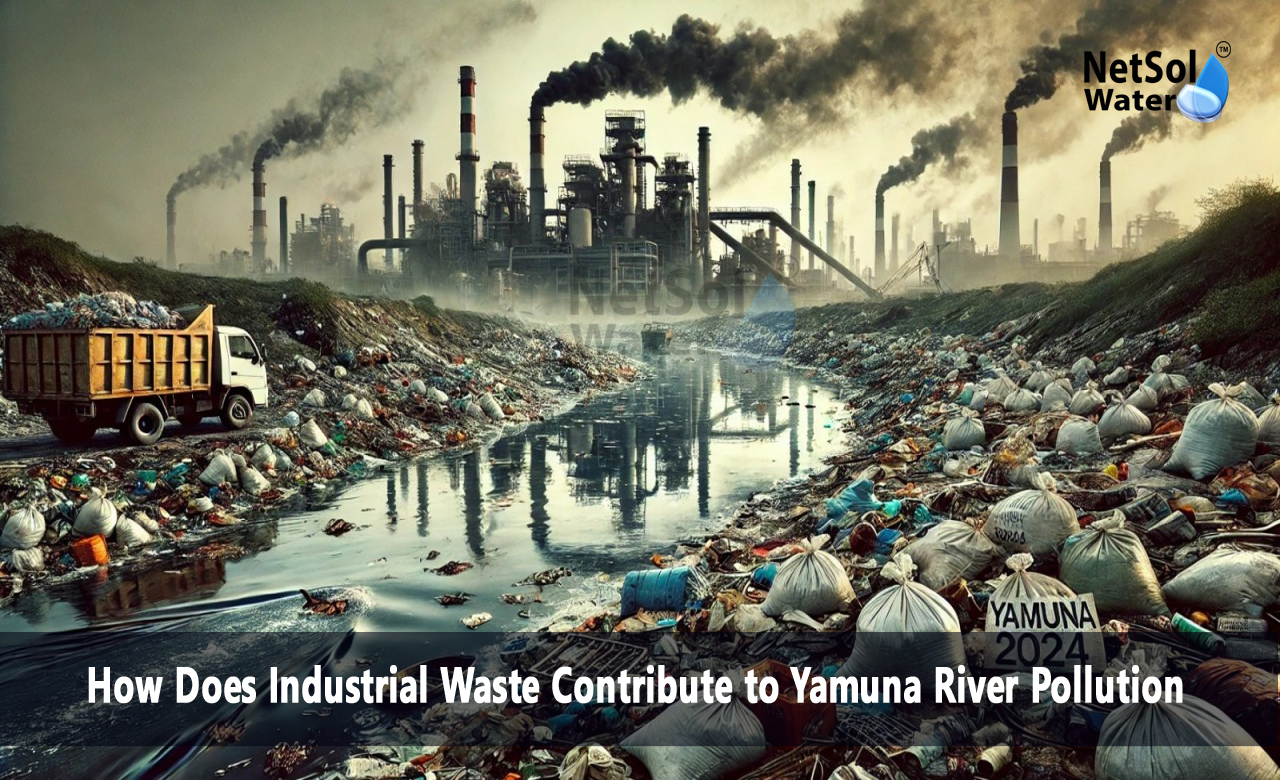
How Does Industrial Waste Contribute to Yamuna River Pollution?
Industrial waste devastates the Yamuna River creating an environmental emergency that worsens daily. Industrial waste contributes to Yamuna River pollution as factories discharge untreated effluents, dump toxic chemicals and release heavy metals into the water. We discuss how manufacturing activities damage this historic river, examine the industrial waste categories, identify major pollution sources, analyze environmental consequences and propose practical solutions. Understanding how industrial waste contributes to Yamuna River pollution allows stakeholders to implement targeted interventions to save this essential water resource for coming generations.
Industrial Waste Types Affecting the Yamuna River
Industrial waste attacks the Yamuna River ecosystem from multiple directions. The diverse industrial waste streams flowing into the river create interconnected pollution challenges that require thorough analysis before developing effective remediation strategies.
Let us have a look at some common types of industrial waste affecting the Yamuna:
Heavy Metal Contamination
Manufacturing facilities release heavy metals, including lead, mercury, cadmium and chromium, that poison the Yamuna River. These dangerous elements flow from the electroplating operations of battery producers and e-waste recycling centres situated near the riverbanks. Heavy metals linger in the environment for generations, build up in river bottom sediments and move through the food web. Fish absorb these toxic metals which humans then consume in contaminated seafood. Environmental monitoring detects heavy metal levels in certain Yamuna sections exceeding health guidelines by 40 times.
Chemical Effluents
Factories producing textiles, paper and pharmaceuticals discharge chemical waste containing hazardous compounds directly into the water. These industrial chemicals encompass synthetic dyes, industrial solvents, corrosive acids and manufactured compounds that degrade water quality. Numerous factories release these effluents untreated, particularly during darkness to escape regulatory detection. Chemical pollutants transform water appearance, disrupt natural pH balance and establish lethal conditions for river creatures. The resulting chemical oxygen demand exhausts available dissolved oxygen creating vast Yamuna sections where fish and other aquatic species cannot survive.
Thermal Pollution
Energy plants and industrial facilities discharge hot water directly into the Yamuna River ecosystem. This thermal waste elevates water temperatures disrupting the natural environmental conditions river organisms need to thrive. Heated water contains reduced oxygen, accelerates algal overgrowth and worsens eutrophication processes. Temperature alterations interrupt natural breeding patterns of indigenous fish populations. Thermal effects travel far downstream from the original discharge points harming river ecology across extended distances.
Oil and Grease Contamination
Production facilities introduce oil and grease pollution through inadequate waste management systems. These petroleum products form surface films preventing atmospheric oxygen from entering the water column. Oil pollution originates from manufacturing operations, automotive workshops and food processors. The oil barriers block sunlight penetration halting underwater plant photosynthesis. Animals contacting these substances suffer damage to protective feathers and fur compromising their survival capacity.
Read Best Sewage Treatment Plant Manufacturer in Noida
Major Industrial Pollution Sources Along the Yamuna
Locating pollution generators proves essential for addressing how industrial waste contributes to Yamuna River pollution. The river suffers contamination from multiple manufacturing centres established along its path.
Let us have a look at some significant industrial pollution sources:
Delhi Industrial Areas
Delhi houses extensive manufacturing zones including Wazirpur, Narela, Bawana and Okhla Industrial Areas. These districts accommodate thousands of small and medium enterprises manufacturing textiles electronics leather products and chemicals. Many operations either lack effluent treatment infrastructure or circumvent existing systems to minimize expenses. Scientific measurements confirm oxygen levels drop to zero throughout this segment producing lifeless water conditions extending many kilometres.
Haryana Industrial Belt
Manufacturing centres in Haryana including Sonipat Panipat and Faridabad situated upstream from Delhi contribute enormous pollution volumes. These areas feature textile processors paper manufacturers alcohol distilleries and food production facilities. Farm runoff containing agricultural chemicals compounds the manufacturing pollution impacts. Water assessments document dramatic quality deterioration as water flows through this manufacturing corridor.
Agra-Mathura Industrial Corridor
Factories in the Agra-Mathura region downstream add further pollution burdens to the already compromised river. Leather processors, glass manufacturers and metal foundries operate throughout this area frequently using outdated pollution control equipment. Religious activities generate supplementary waste entering the waterway. This area experiences fluctuating pollution concentrations with problems intensifying during low water periods. The contamination affects iconic structures including the Taj Mahal through both atmospheric and hydrological pathways.
Illegal Small-Scale Industries
Unauthorized manufacturing operations running without environmental permits magnify Yamuna pollution significantly. These workshops often function within residential neighbourhoods or unregulated settlements without waste processing facilities. Their underground nature prevents effective monitoring or regulation. Though individually small their collective impact adds substantial pollution loads to the river system.
Environmental and Health Impacts of Industrial Waste in the Yamuna River
Examining the effects of manufacturing pollution underscores the urgency of addressing how industrial waste contributes to Yamuna River pollution. The environmental destruction extends beyond the water itself harming wildlife habitats and human communities.
Let us have a look at some impacts:
Biodiversity Loss
The Yamuna previously supported more than 100 fish varieties alongside numerous aquatic plants invertebrates and bird species. Manufacturing pollution has crashed this biodiversity with many sections now supporting fewer than 20 fish species. Pollution-sensitive organisms vanished first leaving only contamination-tolerant species behind. The simplified river ecosystem disrupts natural food networks and diminishes ecological stability. Wildlife surveys document 70% fewer bird species that once depended on healthy river conditions for feeding breeding and habitat.
Groundwater Contamination
Manufacturing contaminants from the Yamuna infiltrate underground aquifers contaminating drinking water sources serving millions. Wells near industrial districts show dangerous concentrations of metals and synthetic compounds. This underground pollution extends far beyond immediate river areas affecting communities kilometres away from visible water. Treatment facilities struggle to extract these manufacturing pollutants from drinking supplies. These persistent substances create health hazards spanning multiple generations.
Agricultural Impact
Farmers irrigating with Yamuna water unknowingly spread industrial toxins throughout their croplands. Research identifies heavy metals in food crops grown with river water particularly downstream from manufacturing zones. Contaminated produce reaches consumer markets exposing people far from the river to these dangerous substances. Farmland quality deteriorates as pollutants accumulate in soil layers. Harvests decrease in heavily affected regions forcing farmers to apply additional fertilizers creating further water pollution problems.
Human Health Concerns
People depending on Yamuna water experience increased health problems including gastrointestinal illnesses skin diseases and chronic medical conditions. Health research connects industrial contaminants with rising cancer incidence hormone system disruption and developmental problems affecting children. Waterborne illness outbreaks occur more frequently in populations using untreated river water.
Contact Netsol Water at:
Phone: +91-965-060-8473, Email: enquiry@netsolwater.com